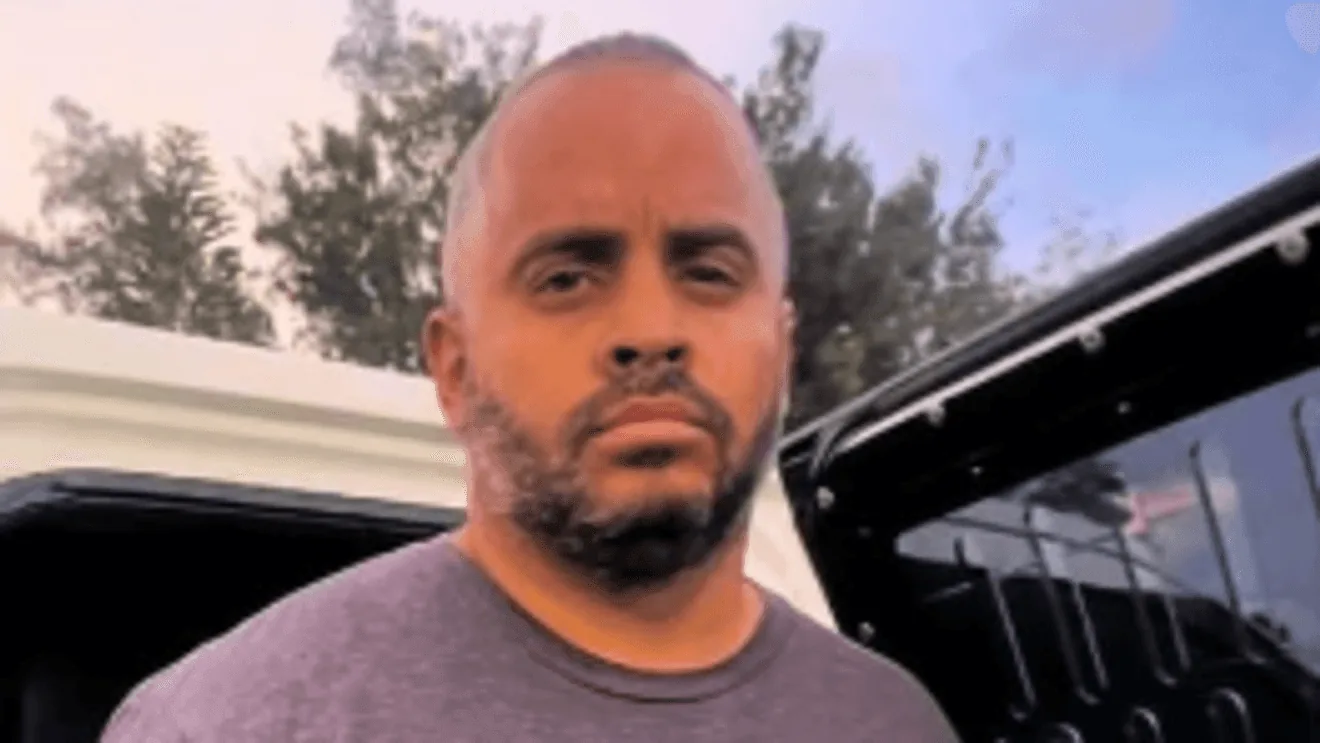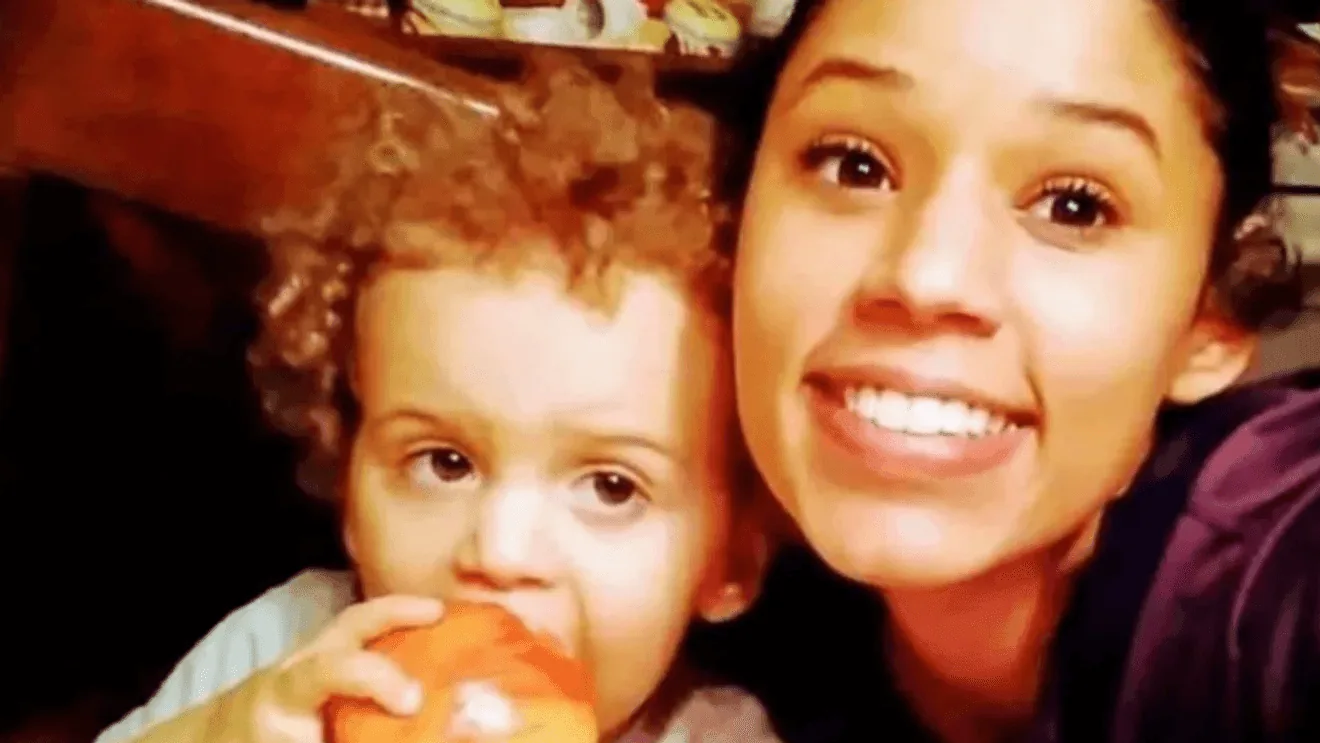
BROWARD COUNTY, FL — A Broward County murder trial began this week with prosecutors asking jurors to convict Shannon Ryan in the disappearance of Leila Cavett, even though Cavett’s body has never been found. Ryan is charged with second-degree murder in the case, and prosecutors say the evidence shows he killed the 21-year-old Georgia woman beyond a reasonable doubt.
Ryan, 44, has been described on social media as a witch, spiritual adviser, teacher and CEO. In court, however, he is being treated as the last person known to have seen Cavett alive. Prosecutors say the case can be proved through the surrounding facts, including his actions after Cavett vanished and the digital trail investigators later uncovered.
The disappearance began with a toddler found alone in Miramar
The case first drew attention in July 2020, after Cavett came to South Florida and then disappeared. Her 2-year-old son, Kamdyn, was found wandering alone in the streets of Miramar, which prompted a major search for his mother. Kamdyn is nonverbal, according to prosecutors, and his discovery helped investigators begin piecing together what happened.
Assistant State Attorney Elizabeth Lipella told jurors that family members in Alabama later contacted police after recognizing the child and saying they could not reach his mother. That contact pushed the investigation forward and helped authorities focus on Cavett’s movements in the days before she disappeared. The prosecution says the search quickly shifted from a missing-person inquiry to a homicide investigation.
Investigators say Ryan was found cleaning out Cavett’s car
According to prosecutors, investigators tracked Cavett’s vehicle to a Racetrac near a Walmart in Hollywood, where they found Ryan cleaning out the car. Lipella said Ryan denied involvement in Cavett’s disappearance and promised to cooperate with the investigation. Prosecutors say that assurance did not last long.
After speaking with authorities, Ryan allegedly got into his car and left Florida for Texas. Prosecutors highlighted that move in opening statements as part of the timeline they say links him to Cavett’s disappearance. The state argues that his departure, combined with the condition of the vehicle and what investigators later found on his devices, tells a coherent story even without a body.
Phone and internet searches are central to the prosecution’s case
One of the strongest themes in the state’s presentation is the digital evidence. Prosecutors said searches on Ryan’s phone and internet history included queries for alcohol, bleach and chloroform. They also said he bought duct tape, cleaners and carpet deodorizer from Walmart.
Those details were presented to jurors as evidence of preparation and cleanup, not coincidence. Lipella suggested the combination of searches, purchases and travel could support the murder charge even though Cavett’s remains have not been located. The state is trying to show that a missing body does not prevent a jury from reaching a verdict if the surrounding evidence is strong enough.
Defense says prosecutors moved too fast and cannot prove death
Ryan’s attorney, Dameka Davis, pushed back hard against the state’s theory. She told the court that prosecutors and law enforcement rushed to judgment and argued that they still must prove Cavett is dead before they can prove Ryan killed her. The defense is challenging the foundation of the case as the trial begins.
That strategy puts the focus on what investigators know for certain versus what they infer from the missing-person timeline. Davis’ comments signaled that the defense intends to question whether the state has enough evidence to satisfy the legal burden in a no-body murder prosecution. The issue could become one of the central disputes for jurors in the coming days.
A rare no-body murder case now goes to Broward jurors
The trial opened Wednesday before Broward Circuit Judge Michael Usan and is scheduled to continue in the same courtroom. Cases like this are unusual because they ask jurors to weigh circumstantial evidence without the victim’s remains. Prosecutors told the panel that there is more than one way to prove a murder case, and they are relying on that principle here.
Ryan was charged in 2021, nearly a year after Cavett disappeared. The trial now moves into witness testimony, records and forensic evidence as jurors hear whether the state can prove its case beyond a reasonable doubt. For Broward officials, the proceeding is a major test of how far a circumstantial case can carry when the victim’s body has never been recovered.