TUNKHANNOCK, PA — The retrial of Phillip Walters moved into its third day with jurors hearing a mix of technical evidence and emotional testimony tied to the 2018 disappearance and death of Haley Lorenzen. Walters is accused of killing Lorenzen, his girlfriend, and prosecutors say the case centers on what happened before dawn on Dec. 30, 2018.
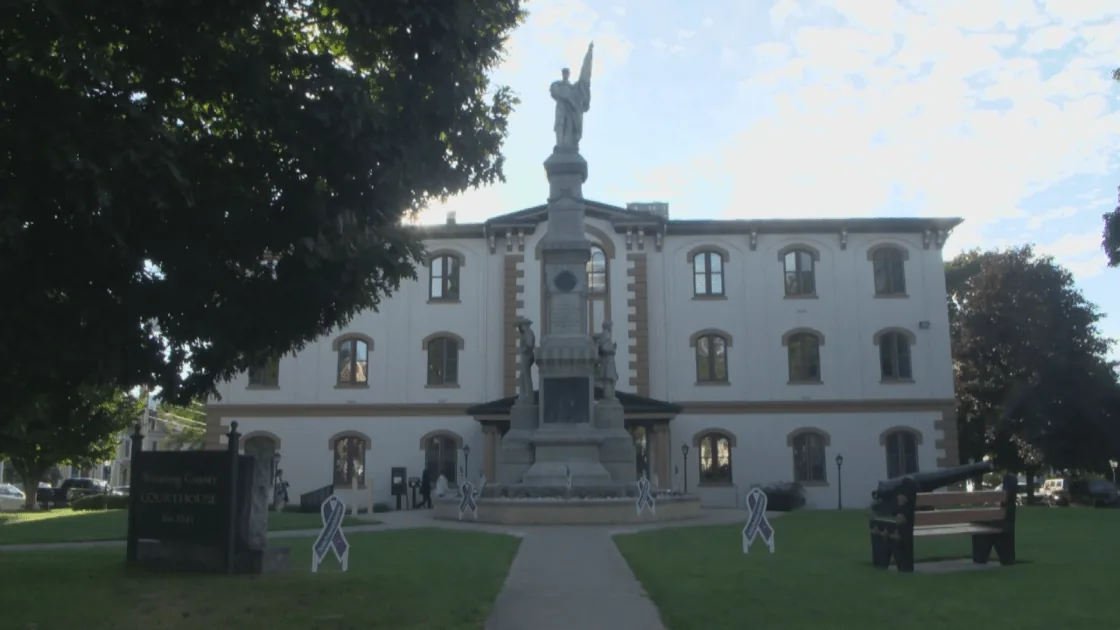
Walters was convicted in the case before, but a higher Pennsylvania court overturned that verdict, sending the matter back for a new trial. Inside the Wyoming County Courthouse, testimony on Wednesday focused on cell phone data, witness accounts and the reactions of Lorenzen’s family as they tried to understand what happened after she vanished.
Forensic analysts map phones and movements before dawn
State Police digital forensic examiners and cellular analysts took the stand Wednesday as prosecutors continued building a timeline around the night Lorenzen disappeared. Investigators described extracting data from phones tied to Walters and to Gabel Bell, who prosecutors identified in the original trial as being in a relationship with Walters.
One analyst told jurors he tracked the phones during the early morning hours of Dec. 30, 2018. According to that testimony, Bell’s phone moved from her residence to Walters’ home in Falls Township between about 5:45 a.m. and 6:15 a.m.
The testimony was aimed at showing where the people involved were and when they moved. Cell phone records have become a central part of the retrial as prosecutors try to place the participants on a tight timeline during the hours when Lorenzen was last known to be alive.
Lorenzen’s mother describes the search that followed the disappearance
Much of the day also shifted from technical evidence to the grief of Lorenzen’s family. Her mother testified about learning that her daughter was missing and then making an overnight trip from Oregon to Pennsylvania as the search began.
She told jurors about her early interactions with Walters and said she felt he showed little emotion while her family tried to find Lorenzen. At one point, she said she asked Walters what they were going to do to locate her daughter, and he gave no answer.
The testimony visibly affected her, and she broke down in tears as she described those first days. The court also heard from Lorenzen’s aunt and former boyfriend, both of whom spoke about the period right after they learned she was missing.
Walters’ son recounts the night and his contact with investigators
Jurors also heard from Walters’ son, who described the night Lorenzen disappeared. He said he did not hear anything unusual that evening.
His testimony also touched on his early interviews with police and child advocacy representatives. That portion of the retrial added another family perspective to a case that has already drawn years of attention because of the original conviction and its reversal.
By Wednesday evening, Walters left the courthouse after a day that included both forensic testimony and emotional witness accounts. The trial is being heard in Wyoming County, and the son’s statements became part of the broader effort to establish what occurred inside and around the home during the critical hours.
Neighbor says she heard a loud bang during the night
Another witness, an upstairs neighbor at Walters’ apartment in Wyoming County, told jurors she heard a loud bang sometime during the night or early the next morning when Lorenzen went missing. That account added another detail to the state’s effort to reconstruct the overnight sequence.
Witness testimony like that can matter in a case built around timing, movement and what people heard but did not see. The prosecution has pointed to the hours around Lorenzen’s disappearance as essential to its case.
While the witness accounts varied in detail, they all returned to the same period: the night Lorenzen disappeared and the early morning hours that followed. Those hours remain central as jurors weigh the evidence presented so far.
Prosecutors’ original theory and what comes next in court
In Walters’ original trial, prosecutors said he strangled and beat Lorenzen before dumping her body into the Susquehanna River. The current retrial is giving jurors another look at the evidence after the earlier conviction was overturned.
The proceedings are expected to continue for several more days at the Wyoming County Courthouse. Wednesday’s testimony suggested the state is focusing on digital records, family recollections and neighborhood observations to support its version of the events.
As the retrial continues, jurors will keep hearing from witnesses tied to the disappearance, the search and the aftermath. The case remains centered on the early morning timeline and the question of what happened to Lorenzen after she was last seen alive.